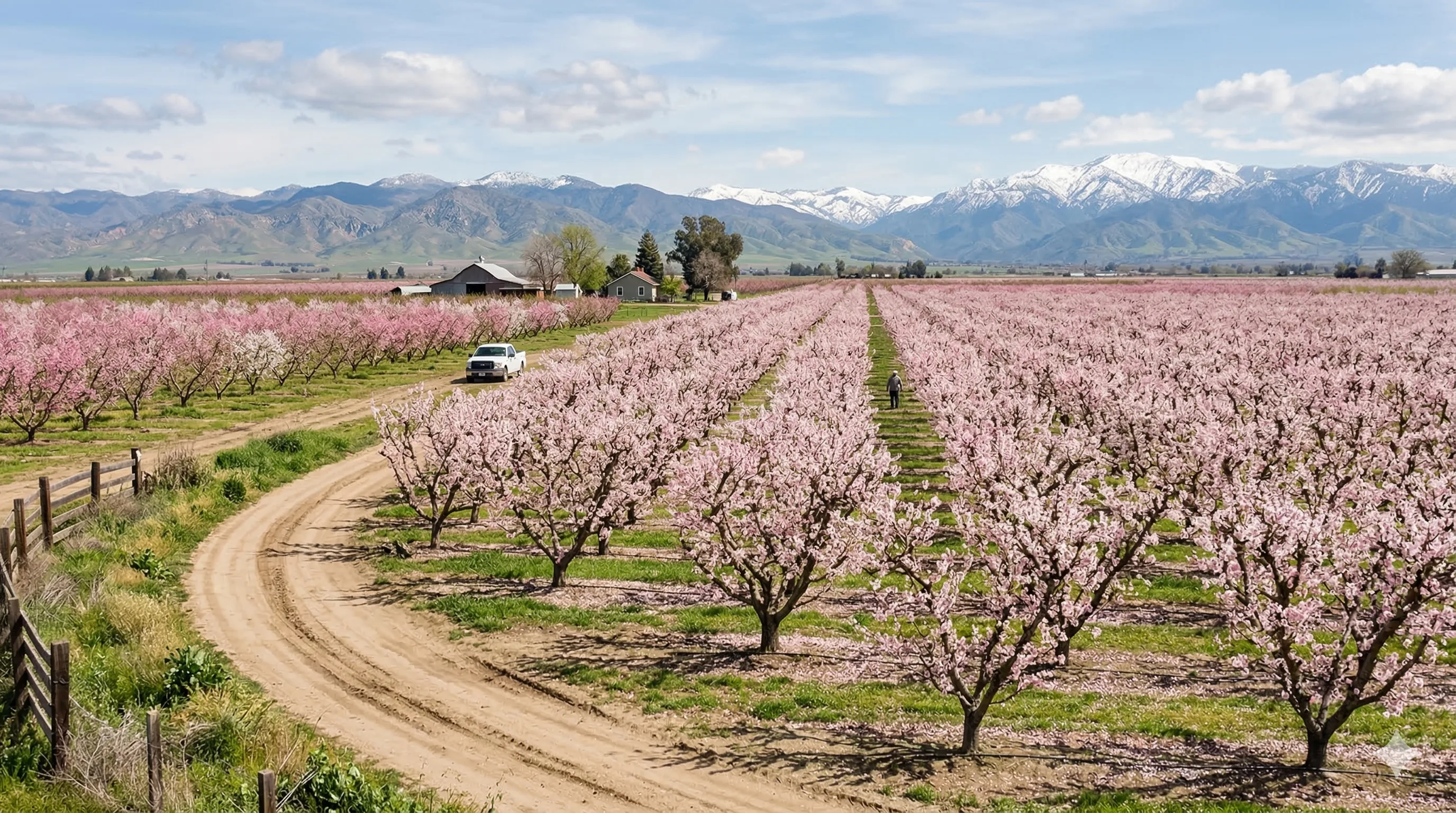
Field alerts before another drive
Use simple soil alerts to decide when a field needs attention and when the truck can stay parked.
Try ReliaFarm in your own soil for 60 days. We confirm field fit, coverage, and setup before anything ships.
ReliaFarm Trial
ReliaFarm starts with a real field conversation. Tell us about your crop, field location, irrigation setup, and coverage concerns so we can confirm fit before hardware ships.
Field alerts before another drive
Use simple soil alerts to decide when a field needs attention and when the truck can stay parked.
5-layer root-zone visibility
See moisture and temperature by depth so irrigation timing is based on what is happening below the surface.
Coverage checked before shipping
No in-field internet is required. We will confirm coverage before shipping.
Intro trial availability
Starter kits are available for early trial customers.
What's included
How It Works
ReliaFarm helps growers see what matters sooner, then move into sensor-based monitoring when the decision matters more.
Get useful day-to-day signals before you invest in hardware.
Keep current conditions close and know sooner when temperatures are moving toward crop risk.
Track growing degree days to support pest timing and other crop-stage decisions.
Keep chill hours and other seasonal signals in one place for quick review.
Resources
Read simple, practical guidance on irrigation timing, water use, pressure issues, and frost response.
Irrigation Scheduling
Learn how growers can decide when to irrigate using soil moisture, crop demand, field checks, and irrigation system context.
Read guideWater Conservation
See practical ways growers can save water through tighter irrigation timing, pressure awareness, and faster response to hidden losses.
Read guideFrost Protection
A practical grower guide to frost protection planning, temperature alerts, and the field checks that matter before a damaging freeze.
Read guideIrrigation Performance
Understand how water pressure monitoring helps growers catch irrigation delivery problems before they become larger crop issues.
Read guideNext Step
ReliaFarm sensors help turn field conditions into clearer irrigation, water-use, and cold-risk decisions.