Earlier warning
Know when temperatures are moving toward risk so the team can prepare before the coldest stretch.
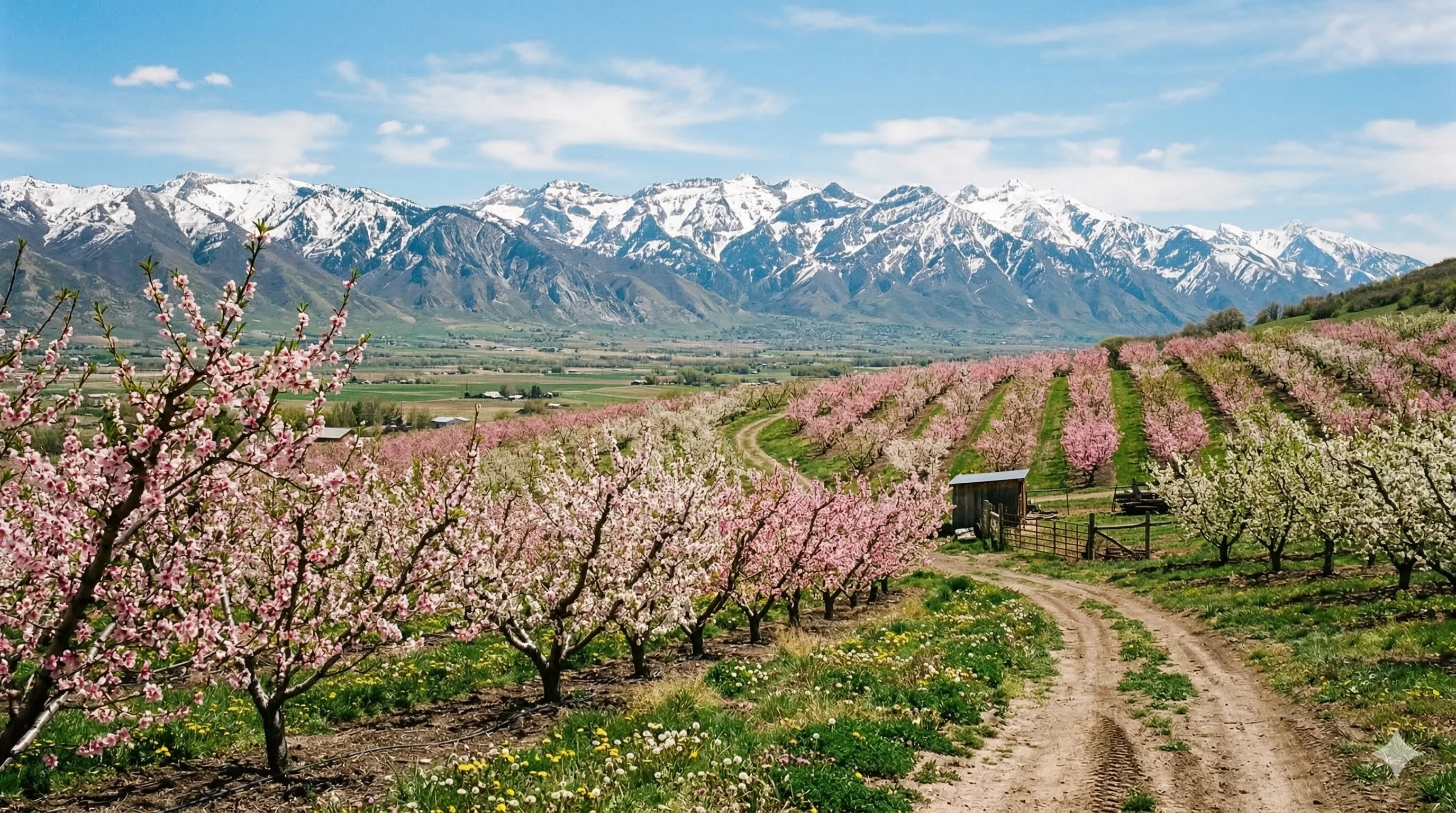
Cold Event Awareness
ReliaFarm helps growers stay ahead of damaging cold with timely temperature alerts, better block awareness, and a clearer frost response routine.
The challenge
Frost events are stressful because the window to respond is short. If a grower notices risk too late, the remaining options are usually more limited and less effective.
Cold conditions rarely matter in exactly the same way across every block. Low spots, sensitive varieties, bloom stage, and field history all shape how a farm should prioritize its response when temperatures begin to fall.
The challenge is not only getting one temperature reading. It is understanding whether conditions are trending toward a real crop threat and whether the team still has time to prepare. Many costly frost nights become expensive because awareness came after the best response window had already narrowed.
That is why timely alerts matter. They give growers an earlier signal so the next decision is made with more time, clearer priorities, and less panic.
The solution
ReliaFarm temperature alerts help growers notice changing cold conditions early enough to prepare labor, prioritize sensitive blocks, and act with more confidence.
The value of a frost alert is not the alert alone. It is the time and clarity it creates around the next decision. That may mean checking a sensitive block, preparing protection activity, or escalating monitoring before temperatures become more dangerous.
A stronger frost routine usually depends on three things: timely awareness, good block prioritization, and a simple plan for what the team will do when cold conditions move from possible to likely.
When those pieces are in place, temperature alerts become part of a practical operating workflow instead of another message competing for attention.
Know when temperatures are moving toward risk so the team can prepare before the coldest stretch.
Focus attention on the varieties, stages, and locations where cold damage would matter most first.
Tie alerts to a repeatable frost routine so decisions are made with less confusion and delay.
Keep managers and crews aligned around the same cold-risk picture as conditions change through the night.
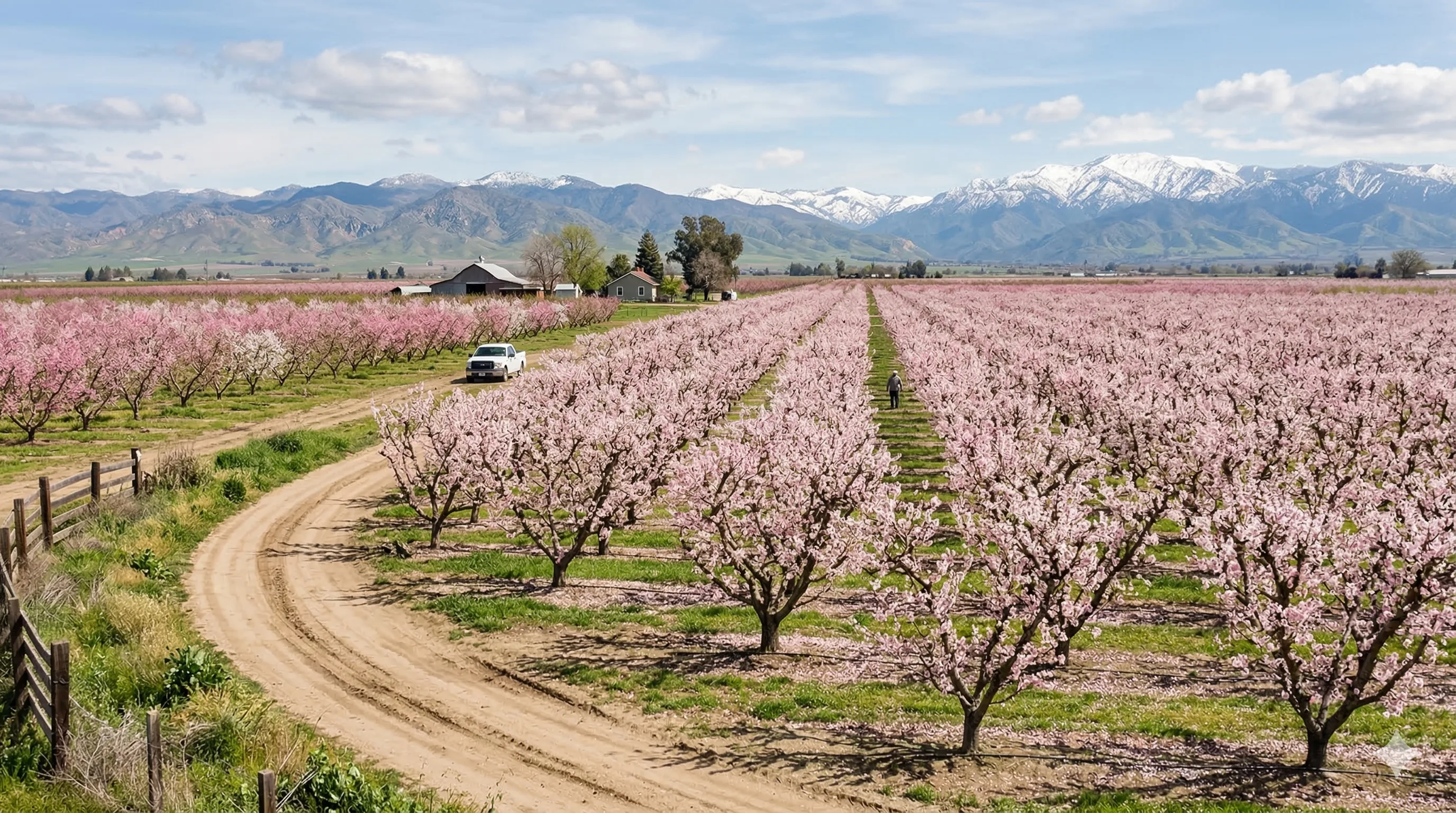
How it works
The goal is not to add noise. It is to help growers see cold risk early, prioritize the right blocks, and respond with more confidence.
Start with the orchards, vineyards, or sensitive crop stages where a cold event carries the most meaningful risk.
Use alerts as an early signal so the team can watch trends and prepare before conditions become more severe.
Focus labor and attention where variety, field position, or crop stage makes cold damage more likely.
After the cold night, use what happened to tighten block priorities, alert thresholds, and operational readiness for the next event.
Benefits
Temperature alerts are most useful when they lead to calmer decisions, better timing, and a more organized cold-weather response.
Preparation
Earlier awareness gives the team more time to prepare instead of scrambling after conditions worsen.
Priority
A better operating picture helps growers focus attention where cold damage would matter most.
Confidence
Clearer alerts and a repeatable workflow make frost decisions easier to explain and repeat.
Learning
Each frost event becomes feedback that helps refine future thresholds, block priorities, and actions.
Who it helps
Frost protection alerts are most relevant when a timely response matters operationally and financially.
Growers with frost-sensitive crops, vulnerable bloom stages, or low-lying blocks usually benefit because the cost of late awareness is high. Earlier notice supports better prioritization before crews begin moving.
It is also valuable for operations managing several ranches or many blocks at once. A shared alerting signal helps the team decide where to focus first when not every block can receive the same attention at the same time.
If cold events regularly force difficult nighttime decisions, clearer alerts and a repeatable workflow help turn that stress into a more manageable process.
Keep exploring
These pages connect frost awareness to the broader field visibility growers rely on across the season.
See practical steps for planning, prioritizing blocks, and responding before a damaging freeze.
The same operating discipline that helps irrigation timing also helps during fast-changing cold events.
Field awareness becomes stronger when growers can trust both crop signals and system signals.
Next step
Talk with ReliaFarm about temperature alerts, field monitoring, and how to build a more repeatable frost response process for your operation.
The goal is not just one more alert. It is earlier awareness, clearer priorities, and a response plan your team can actually use on stressful cold nights.